AI + Marketing: What Skills Will Matter Most in 2026?
Artificial Intelligence is changing the way businesses plan, create, launch, and measure marketing campaigns. In 2026, marketers are no longer expected to work with AI as a separate technology. Instead, AI is becoming part of everyday marketing activities such as content creation, customer research, search optimization, advertising, personalization, analytics, and campaign automation.
The future of digital marketing will not simply belong to people who know how to use AI tools. It will increasingly favor professionals who can combine marketing knowledge, creativity, data analytics, customer understanding, and AI skills to produce meaningful business results.
Whether you are a student, digital marketing beginner, freelancer, entrepreneur, or experienced marketing professional, developing the right combination of skills can help you adapt to the changing marketing environment.
1. AI Literacy for Marketers
One of the most important skills in 2026 is understanding how AI works and how it can be applied to marketing.
Marketers do not necessarily need to become AI engineers or machine learning developers. However, they should understand concepts such as generative AI, large language models, AI-assisted automation, prompt engineering, personalization, predictive analytics, and AI-powered search.
AI literacy helps marketers identify which tasks can be automated and which activities still require human judgment.
For example, AI can help with:
- Generating content ideas
- Creating first drafts
- Summarizing customer feedback
- Analyzing large datasets
- Developing campaign variations
- Identifying audience patterns
- Automating repetitive marketing tasks
- Supporting keyword and topic research
- Personalizing customer communication
The valuable skill is knowing when, where, and how to use AI effectively rather than simply knowing the names of different AI tools.
2. Prompt Engineering and AI Communication
As AI becomes more integrated into marketing workflows, marketers need to know how to communicate clearly with AI systems.
Prompt engineering involves creating effective instructions that help AI generate useful and relevant results. In marketing, this can be applied to content planning, ad copy, social media campaigns, email marketing, customer research, and brainstorming.
A strong AI prompt can define:
- The target audience
- Marketing objective
- Brand voice
- Content format
- Key message
- Customer pain points
- Desired call-to-action
- Length and structure
- Restrictions or requirements
However, effective prompting is only one part of the process. Marketers must also know how to review AI-generated information, identify errors, improve outputs, and add human creativity.
3. Data Analytics and Marketing Intelligence
Modern marketing generates enormous amounts of data. Website visits, conversion rates, search behavior, advertising performance, engagement, customer journeys, and sales data can all provide valuable insights.
Therefore, data analytics will remain one of the most important skills for marketers in 2026.
Marketing professionals should understand metrics such as:
- Conversion rate
- Cost per acquisition
- Return on ad spend
- Customer acquisition cost
- Customer lifetime value
- Click-through rate
- Engagement rate
- Bounce rate
- Traffic sources
- Lead-to-customer conversion
The real skill is not simply collecting numbers. It is turning data into actionable decisions.
For example, instead of saying that a campaign generated 50,000 impressions, a skilled marketer asks whether those impressions produced qualified traffic, leads, conversions, or revenue.
4. SEO and AI-Powered Search Optimization
Search marketing continues to evolve as users increasingly interact with search engines, AI-powered answer systems, and conversational platforms.
SEO professionals therefore need to think beyond traditional keyword placement. Understanding search intent, topical relevance, helpful content, structured information, technical SEO, user experience, and authority remains important.
Marketers should develop skills in:
- Keyword research
- Search intent analysis
- On-page SEO
- Technical SEO
- Content optimization
- Internal linking
- Local SEO
- Competitor research
- Structured data
- Content quality evaluation
AI can accelerate SEO research and content workflows, but human expertise remains important for deciding what information is genuinely useful to the audience.
5. Content Strategy and Human Creativity
AI can generate content quickly, but producing large amounts of content does not automatically create effective marketing.
Human creativity remains essential for developing original ideas, brand stories, emotional connections, campaign concepts, and memorable messaging.
Marketers should learn how to create content strategies based on:
- Audience needs
- Customer pain points
- Search behavior
- Business objectives
- Brand positioning
- Content formats
- Customer journey stages
AI can assist with production, but marketers need to provide the strategic direction.
The future is therefore less about AI replacing creativity and more about marketers using AI to expand their creative capabilities.
6. Performance Marketing and Paid Advertising
Paid advertising is becoming increasingly automated, with platforms using AI to assist with targeting, bidding, optimization, creative testing, and campaign management.
This means marketers need to understand the fundamentals behind performance marketing rather than relying entirely on automated recommendations.
Important areas include:
- Google Ads
- Search advertising
- Display advertising
- Social media advertising
- Remarketing
- Conversion tracking
- Campaign optimization
- Budget management
- A/B testing
- Performance reporting
Marketers who understand both advertising strategy and AI-powered campaign automation can make better decisions about budgets, audiences, creatives, and conversions.
7. Marketing Automation
Marketing automation is another major skill area for 2026.
Businesses increasingly want to automate repetitive processes while maintaining personalized customer experiences.
Automation can support activities such as:
- Email campaigns
- Lead nurturing
- Customer segmentation
- Social media workflows
- CRM updates
- Lead scoring
- Follow-up messages
- Customer journey management
- Reporting
A marketer should understand how different tools and platforms connect and how automation can improve efficiency without making customer communication feel impersonal.
8. Customer Psychology and Consumer Behavior
Technology does not eliminate the importance of understanding people.
Even when AI handles targeting and campaign optimization, marketers still need to understand why customers make decisions.
Knowledge of consumer psychology can help professionals understand:
- Customer motivations
- Buying behavior
- Pain points
- Emotional triggers
- Trust factors
- Decision-making patterns
- Customer objections
- Brand perception
AI can identify patterns in customer data, but marketers need to interpret those patterns within the broader context of human behavior.
9. Social Media Marketing
Social media continues to be an important channel for brand awareness, engagement, community building, and lead generation.
In 2026, marketers need more than basic posting skills. They should understand content strategy, platform-specific communication, audience engagement, short-form video, influencer collaboration, social analytics, and paid social advertising.
AI can help marketers generate content ideas, analyze trends, create variations, and organize publishing workflows. However, authentic brand communication still requires human creativity and audience understanding.
10. Personalization Skills
Customers increasingly expect businesses to provide relevant experiences.
AI can help businesses analyze customer behavior and deliver personalized recommendations, messages, offers, and content.
Marketers should understand how to use customer data responsibly to create meaningful personalization.
Examples include:
- Personalized email campaigns
- Product recommendations
- Audience segmentation
- Customized landing pages
- Behavioral campaigns
- Personalized offers
- Customer journey optimization
Effective personalization should provide value rather than simply using customer information to increase the number of marketing messages.
11. Critical Thinking and Fact-Checking
One of the most important skills in an AI-driven marketing environment is the ability to evaluate information critically.
AI-generated content can contain incorrect information, outdated details, misleading claims, or unsuitable recommendations. Marketers therefore need to verify important information before publishing or using it in campaigns.
Critical thinking helps marketers ask:
- Is this information accurate?
- Is the source reliable?
- Does this content match the brand?
- Is the claim supported by evidence?
- Is the message useful to the audience?
- Could the content create legal or reputational problems?
AI can accelerate marketing work, but human review remains essential.
12. Data Privacy and Responsible AI
As marketers use more customer data and AI-powered systems, understanding privacy and responsible data usage becomes increasingly important.
Marketing professionals should develop awareness of:
- Consent
- Data security
- Customer privacy
- Responsible personalization
- Transparent communication
- AI-generated content disclosure where appropriate
- Ethical use of customer information
Trust is an important part of long-term customer relationships. Marketing professionals should therefore consider not only what technology can do, but also how it should be used.
13. Video and Visual Content Skills
Visual content remains a major part of digital marketing. Short-form videos, tutorials, product demonstrations, educational content, reels, graphics, and presentations can help brands communicate with audiences across multiple platforms.
AI tools can support parts of the production process, including:
- Content ideation
- Script development
- Captions
- Transcription
- Image generation
- Video editing assistance
- Content repurposing
Marketers should still understand storytelling, visual communication, branding, and audience engagement.
14. Brand Strategy and Positioning
AI can help produce content, but businesses still need a clear identity.
Marketers should understand how to build and communicate:
- Brand identity
- Brand voice
- Unique value propositions
- Market positioning
- Competitive differentiation
- Customer personas
- Brand messaging
A strong brand strategy gives AI-generated content a consistent direction.
Without a clear strategy, businesses may produce large quantities of content without creating a recognizable or meaningful brand.
15. Communication and Collaboration
Technical skills alone are not enough for a successful marketing career.
Marketing professionals often work with designers, developers, sales teams, business owners, content writers, data analysts, and advertising specialists.
Strong communication skills help marketers explain campaign ideas, present data, collaborate with teams, understand business requirements, and communicate results to stakeholders.
The ability to combine technical knowledge with clear communication can make a significant difference in a professional marketing environment.
16. Continuous Learning
AI and digital marketing are changing rapidly. New platforms, tools, advertising features, search technologies, and automation capabilities continue to appear.
As a result, one of the most valuable skills for marketers in 2026 is the ability to learn continuously.
Professionals should regularly update their knowledge of:
- AI marketing tools
- Search trends
- Advertising platforms
- Analytics technologies
- Content formats
- Marketing automation
- Consumer behavior
- Industry developments
Instead of becoming dependent on one specific tool, marketers should develop transferable skills that allow them to adapt when technologies change.
AI + Marketing: The Future Skill Combination
The marketing professional of 2026 does not need to choose between traditional marketing skills and AI skills. The strongest career preparation comes from combining both.
A modern marketer may need to understand:
Marketing Strategy + AI + Data Analytics + SEO + Content + Advertising + Automation + Creativity + Customer Psychology
AI can make marketing processes faster, but strategy determines what should be done, creativity determines how the message is communicated, data determines what is working, and customer understanding determines whether the marketing actually connects with people.
Skills Marketers Should Start Building in 2026
If you are preparing for a career in digital marketing, consider developing your skills step by step:
- Learn digital marketing fundamentals.
- Understand SEO and search intent.
- Learn Google Ads and paid advertising concepts.
- Build strong content-writing skills.
- Learn social media marketing.
- Develop basic data analytics knowledge.
- Practice using generative AI tools.
- Learn effective prompting.
- Explore marketing automation.
- Understand customer journeys and personalization.
- Build practical projects and campaigns.
- Learn how to measure marketing performance.
Final Thoughts
AI is transforming marketing, but successful marketing still depends on understanding customers, communicating valuable ideas, making strategic decisions, and building trust.
In 2026, professionals who combine AI fluency with marketing fundamentals, analytical thinking, creativity, communication, and customer understanding can prepare themselves for an increasingly technology-driven marketing environment.
For students and working professionals, the goal should not be to learn every AI tool available. Instead, focus on developing strong marketing fundamentals and learning how AI can improve research, creativity, automation, analysis, and decision-making.
Explore Our Courses
Ready to master the skills discussed in this article? Check out our comprehensive course programs designed by industry experts.
Browse Courses →Explore Our Services
Looking to implement these concepts in your organization? Our services team can help you achieve your business goals.
View Services →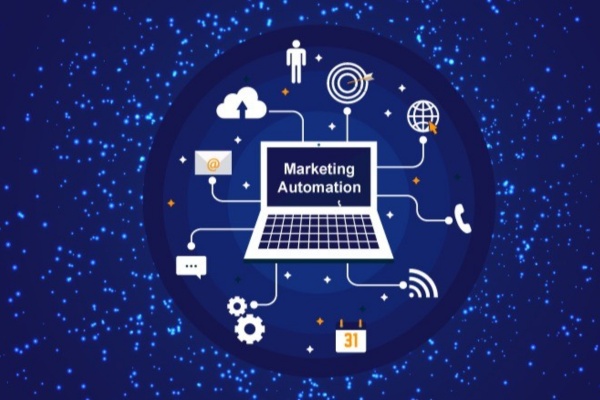


Comments
No comments yet. Be the first to comment!